

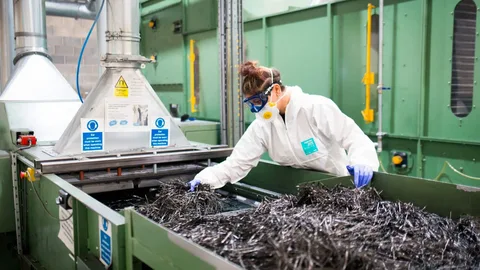
In recent years, the textile industry has produced a lot of waste every year. However, not every old cloth needs to end up in a landfill. Instead of it, manufacturers can recycle them to make valuable materials through fiber recycling.
At A1 Liberty, we firmly believe that recycling textiles is an effective way by which we can reduce waste and protect natural resources. Now, fiber recycling has become an important part of sustainable manufacturing.
What is Fiber Recycling?
Fiber recycling is the process of recovering fiber from the use of unwanted textiles. And then transform it into the new materials. Instead of going away, your old clothes’ manufacturers give them a second life.
The fibers that are recycled can become new fabrics, insulation materials, industrial products, cleaning cloths, and many other useful items. That’s why fiber recycling helps you reduce textile waste and also supports the circular economy.
How Does Fiber Recycling Work?
The process of recycling involves several important steps to make sure that fiber quality is maintained.
1. Collection and Sorting:
Manufacturers first of all collect the old clothing, fabric scraps, or surplus Textiles from different sources. After that, they are being sorted according to their fabric type, colour, fabric quality and its condition.
2. Removing Non-Textile Materials:
The next step is to remove buttons, zippers, labels, and other accessories from garments. In this, ensure that only the textile fibre is moved to the recycling stage.
And as a result of it recycle material becomes cleaner and more consistent.
3. Fiber Recovery:
After all these preparations, machines break fabrics into small fibres. Also, it depends upon you recycling method, by which manufacturers may use mechanical or chemical processors to recover usable fibres.
These required fibres can then enter the production cycle again.
4. Manufacturing New Products:
Finally, after it is manufactured, manufacturers now spin the recycled fabric into yarn or else combine them into other materials. Then it can be used to create new textile products or industrial materials. In this way, this process gives old clothes a completely new purpose.
Benefits of Fiber Recycling:
Following under benefits of fibre recycling for both businesses and consumers.
- Reduces textile waste
- Conserves natural resources
- Saves energy during production
- Supports sustainable manufacturing
- Lowers environmental pollution
- Encourages responsible resource use
Where Are Recycled Fibers Used?
Recovered fibres are used in a lot of industries. Because recycled fibres remain versatile, and manufacturers continue finding new ways to use them.
The following are industries where they are used:
- New clothing and fabrics
- Cleaning cloths and wiping rags
- Furniture padding
- Carpet underlay
- Automotive insulation
- Industrial packaging materials
Why Fiber Recycling Matters
Every year, there is an increase in the amount of textile waste being generated. The lack of appropriate recycling methods allows for the disposal of potentially valuable materials into landfills, thus creating pollution.
The recycling of fibres will decrease the amount of textile waste created by keeping materials in use for extended periods. Reducing the overall demand for virgin fibres also means reducing the usage of water/energy, and raw materials.
To support the sustainability and high quality of textile recycling at A1 Liberty, we offer recycling options that support industry requirements for high-quality recycled textile material.
Conclusion:
Fibre recycling transforms old clothes into valuable new material through the process of collection, sorting, fibre recovery, and manufacturing. Instead of wasting these usable textiles, manufacturers recover their fibre and create products so that they can serve a lot of industries.
As more and more businesses adopt these sustainable practices, fibre recycling continues to play its Vital role, in reducing waste. Not only does this it also protect natural resources. And choosing recycle textile solution is actually a smart investment for both businesses and the environment.
FAQ’s
What is fiber recycling?
Fiber recycling is the process of turning old textiles into reusable fibers.
What materials can be fiber recycled?
Cotton, wool, polyester, and many blended textiles can be recycled.
Why is fiber recycling important?
It reduces waste, conserves resources, and supports sustainable manufacturing.
What products use recycled fibers?
Manufacturers use them in clothing, wiping rags, insulation, and furniture.
Does fiber recycling help the environment?
Yes, it reduces landfill waste and lowers the need for new raw materials.