

The garment wholesale industry depends on efficient transportation and bulk buying. If you own a thrift store, supply merchants, or export second-hand items, understanding container loads in clothing wholesale will help you make smarter business decisions. However, choosing the proper size of the container can help save cost, manage inventory better, and improve earnings.
If you’re new to bulk clothing imports, one of the most critical tasks is to understand container loads in clothes wholesale. Because it allows you to estimate inventory, reduce shipping expenses, and plan your sales successfully.
What are wholesale container loads of clothing?
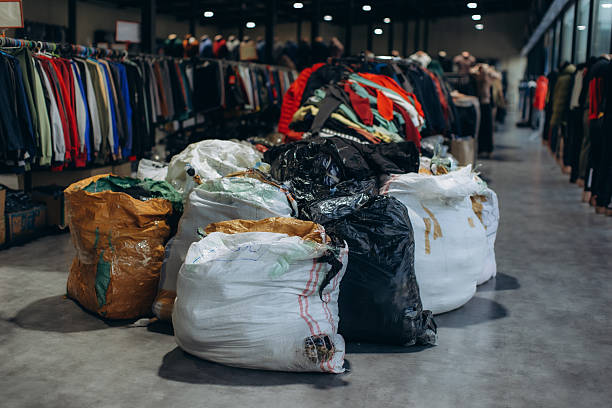
The amount of clothing that is loaded into a shipping container for overseas shipment is known as container loads in clothing wholesale. Instead of buying piecemeal shipments, wholesalers often buy a complete container full of clothing. However, this process reduces the per-unit cost and creates a larger inventory that may be resold.
Therefore, most clothes distributors select and compress clothing before packing it into containers. This makes the most of space and protects the products in transportation.
Container shipping is often used for:
- Exporters of second-hand apparel
- Clothing suppliers retail
- Charity organizations
- Clothing wholesalers (distributors)
- Companies for waste disposal
Full container load purchases allow businesses to purchase thousands of clothes at competitive pricing.
Standard Container Sizes
Shipping containers are available in different sizes. However, two methods are the most popular in the apparel wholesale market.
20′ container
20-foot containers are ideal for small to midsize firms. It provides a room for enterprises that are just starting out in the wholesale clothes industry.
A 20-foot container may hold approximately: This varies depending on the type of garment and packaging style:
8,000-12,000 assorted articles of clothes
Approx 180-250 compressed bales
This is the perfect size for businesses with limited storage space or with smaller consumer demand.
40’ Container
The 40-foot container is the choice for major wholesalers and exporters. It has nearly twice the storage space of a 20-foot container.
Normally, a basic 40-foot container will contain:
18,000–25,000 clothes
Approx. 450-550 compacted bales
This is an option many overseas purchasers prefer because it reduces shipping expenses per garment.
What Determines Container Capacity?
How much clothing can fit in a shipping container depends on many factors.
Type of Clothing
Wintertime jackets are bulky compared to lightweight t-shirts or skirts. That means the container capacity is dependent on the product mix.
Compression Bale
Most clothing is packed into tightly compressed bales. Better compression means providers can fit more clothing in each container.
Packaging Procedure
Some purchasers want their apparel classified by category, and other buyers want their clothing intermingled. The available space is affected by different packaging methods.
Clothing Size
Children’s clothing takes up less space than adults’ clothing. So the containers carrying children’s apparel tend to hold more pieces.
Benefits of Purchasing Full Container Loads
Full container shipping is the choice of many firms as they provide various advantages.
Reduced Cost Per Unit
Buying in bulk does a lot to reduce the average cost of each outfit. Also, shipping costs are spread out among thousands of pieces of clothes, so the wholesale prices are more attractive.
Improved Profit Margins
Lower buying expenses often translate into better resale earnings. Companies can price things and still have healthy margins.
Consistent Stock
A full container provides businesses with sufficient stock to meet client demand for several weeks or even months. Therefore, this uniformity aids business planning.
Dependable Supply
Working with trusted wholesale suppliers means consistent shipments and reliable supplies all year.
Simpler business expansion
As demand goes higher, companies can begin to order bigger containers without switching vendors.
Selecting the Right Container Size
Choosing the right container loads in clothing wholesale relies on your business goals.
Before ordering, please consider the following questions:
- How much storage do you have?
- How many units do you sell a month?
- What budget do you have available?
- How fast can you turn the inventory?
- What are the prominent apparel categories in your market?
Often, small enterprises start with a 20-foot container. Whereas, with rising customer demand, they turn to larger shipments.
How Shipping Cost Works
Shipping charges are a huge portion of wholesale clothes imports. Freight charges fluctuate over the course of the year, but there are a few costs that consumers should keep in mind when placing an order.
These might include:
- Charges for ocean freight
- Container Handling Charges
- Customs Duty
- Import duties
- Local transport
- Storage at the warehouse
Therefore, knowing these costs ahead of time can help firms avoid unforeseen spending and keep them profitable.
Quantity Over Quality
You can have a big container, but if the apparel is not up to the customer’s expectations, it’s of little use. Always question suppliers about their quality rating method before buying.
Reliable wholesalers frequently provide:
- A grade apparel
- Clean clothes
- Minimal damage
- Trendy Looks
- Correct sorting
- Uniformity in bale weights
It is a good idea to request sample bales before obtaining a full container to check the quality of the goods.
First Time Buyer Tips
If you are buying wholesale clothing for the first time, adhere to these basic tips.
- Research the supplier thoroughly.
- Ask for pictures and videos of products.
- Know the grading system.
- Kindly check the shipping details before you pay.
- Check projected delivery dates.
- Ask for thorough packing lists.
- Check your country’s import regulations.
These techniques mitigate danger and help you establish a successful long-term engagement.
Why Trusted Suppliers Matter
Your supplier is the backbone of your clothes business. However, a trusted exporter guarantees quality and on-time dispatch.
Experienced wholesalers also enable consumers to determine the proper size of container for their business needs. This advise avoids over-ordering and enhances inventory planning.
If you have a supplier you trust and do business with them long-term, you may be able to get better prices, priority shipping, and higher customer trust.
Summary
Knowing container loads in clothing wholesale enables firms to make smarter buying decisions. Everything from picking the proper size of the container to estimating shipping costs and assessing product quality is critical to your success.
If you are starting a new resale firm or expanding an existing one, understanding how wholesale containers work will help enhance efficiency and revenues. By working with an established supplier and choosing the correct shipment size, you can develop a dependable inventory while managing your expenditures.
Join Hands with A1 Liberty for Quality Wholesale Clothes
Looking for a wholesale clothing provider of excellent quality? A1 Liberty will supply you with the best selected used apparel, reliable container shipping, and a steady product quality to serve your business. Looking for a 20-foot or 40-foot container? Our expert team will assist you in sourcing affordable clothing with confidence. Reach out to A1 Liberty today and take the next step to expand your wholesale clothes business.
Frequently Asked Questions
1. How Many Clothes Can Fit in a 40 Foot Shipping Container?
A 40-foot container will normally store from 18 000 to 25 000 clothing articles, depending on the type of garment and how tightly compressed the bales are.
2. What is the ideal size container for a new clothes business?
A 20-foot container is usually the ideal solution for new enterprises because it involves lower investment and less storage space.
3. Why do wholesalers sell clothing?
“Compression saves space, reduces shipping costs, and allows more garments to fit in each container.
4. How do I know the quality before I place an order for a complete container?
Request sample bale, product images, videos, and grading before you commit to a major transaction.
5. Why is it cheaper to buy complete container loads?
Shipping costs per garment are lower with full container loads, which increases the profit of buying garments in bulk.