

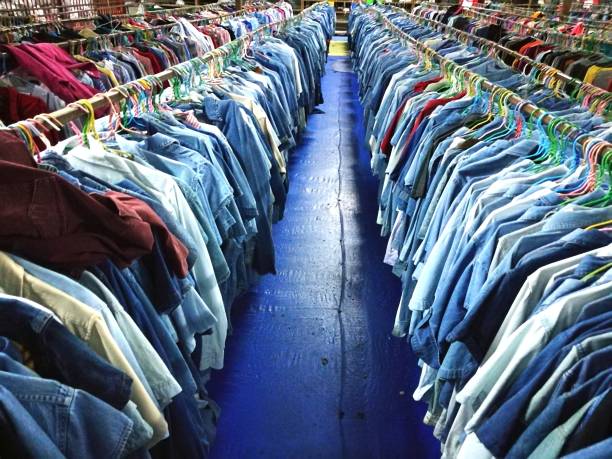
Every year, the world buys more and more second-hand clothing. Many businesses and shops rely on the low cost and diversity of styles that imported old clothes offer. However, to be successful in this market, you need to identify dependable suppliers and choose quality products.
If you are interested in starting up the used clothes industry, it is important to know how to find excellent used clothing for export. Finding the proper supplier will ensure your customers are happy, eliminate wastage, and boost your earnings.
This guide will teach you how to source excellent used clothing for export, evaluate suppliers, and develop a profitable export business. In addition, practical options.
Why Quality is Important in Used Clothing for Export
Quality is one of the most important things that affects the satisfaction of customers. Buyers want clean, wearable clothes that match the claimed quality and condition.
For example, the advantages of purchasing quality second-hand clothes are:
- Higher client satisfaction
- Increased resale value
- Goods less damaged
- Reduced returns
- Better business reputation
As a result, your clients will be more inclined to return and refer your business to others if you’re always sourcing exceptional products.
Know the Grades of Clothing
Before buying stock, it is necessary to understand the grading of used apparel.
Although grading systems differ from provider to provider, the most prevalent categories are:
A+ Grade
Grade A apparel is normally in great shape. These garments show little or no noticeable wear and often appear almost new.
Grade B+
Grade B clothes may show some evidence of wear, such as small stains, fading, or loose threads. However, they still wear.
Grade C.
Grade C clothing generally shows visible damage, repairs, or significant use. As a result, often, they are sold for less or utilized for recycling.
Therefore, knowing the different clothing grades might help you pick inventory that is suitable for your target market.
Choose a Reputable Vendor
One of the most critical tasks when obtaining excellent used clothing for export is finding a dependable provider.
A good provider will be able to supply:
- Consistent quality of products
- Clear grading criteria
- Open communication
- Competitive rates
- Reliable delivery
- Great reviews from customers
Consequently, getting bad quality stock will be less likely with an experienced exporter.
Ask where the clothes are from
Not all old clothes come from the same collection method.
Therefore, ask suppliers where their clothes are from.
Common sources:
- Charitable gifts
- Bins for textile collection
- Excess retail stock
- Community collections
In this way, knowing the source helps you understand better the expected quality and style of the products.
Order Product samples
Please, if feasible, ask for samples before placing a substantial order.
Samples allow you to assess:
- Fabric quality Hygienic
- Brands range
- General state of health
- Range of sizes
Sample purchases may cost more per unit, but they can save you from costly mistakes later on.
Carefully Inspect Clothing Quality
Every shipment must be inspected before it is distributed.
Search for:
- Tears Stains
- Buttons missing
- busted zippers
- (Too much) Damage to fabric: Fading
Keep in mind that from time to time, even good vendors will send out a damaged article.
Therefore, routine inspections are a means of maintaining your quality standards.
Search for a wide range of products.
A supplier that has a diverse inventory means your business has more options.
Most exporters provide:
- Men’s Wear
- Women’s clothing
- Children’s apparel
- Jackets Jeans Shoes Dresses
- Sportswear Accessories
As a result, the larger the range, the more you may provide to suit varied customer tastes and seasonal demands.
Explore packaging options
Professional packing protects clothing in transit and storage.
Before ordering, check to see if your supplier has:
- Baled compressed
- Clothing, boxed
- Packaging specific to the category
- Custom labels
In addition, good packaging also helps you manage your inventory better.
Shop Around Carefully
Price is crucial, but should never be the primary deciding factor.
Very low pricing could mean:
- Cheap clothing
- Grades don’t match
- Hidden charges
- Rising waste percentage
Instead, evaluate suppliers on the whole value, including quality, reliability, and customer service.
Check Export Experience
Experience and suitable documents are needed for international shipment.
Therefore, choose suppliers who know export procedures, such as:
- Customs documentations
- Policies for shipping
- Loading containers in international logistics
With this in mind, if you’re an experienced exporter, you can avoid shipping delays and unforeseen expenses.
See what our customers say.
Customer reviews are a good measure of the performance of the supplier.
Look for comments on:
- Quality of product
- Delivery times
- Communication, Packaging, and Accuracy of Order
Overall, consistent good evaluations are often a sign of reliable suppliers.
Establish a long-term partnership
Try to create a good business connection instead of changing suppliers often.
The benefits of long-term collaborations include:
- Better prices
- Inventory of priority
- Trustworthy quality
- Better Communication
- Flexible ordering choices
Ultimately, a reliable supplier is a vital partner for your business growth.
Keep Up With Market Trends
Even the used clothing for the export sector has its fashion trends that vary periodically.
Therefore, be aware of the desire of customers for:
- Secondhand clothes
- Branded clothing.
- Seasonal collections
- Athleisure Jeans Children’s clothes
By doing so, by staying on top of market trends, you can stock products that move faster.
Steer clear of common sourcing pitfalls.
New exporters make many blunders when buying stock that may easily be avoided.
For this reason, don’t try to:
- Choosing suppliers on the basis of pricing
- Omitting sample orders
- Disregarding clothing grades
- Failure to inspect shipments
- Ordering massive volumes from unknown sources.
As a result, planning carefully reduces risks and increases corporate performance.
Conclusion
It takes a lot of study, trustworthy source,s and quality control to find high-quality used clothing for export. Finding the appropriate supplier takes time, but it is worth it because it builds consumer trust and increases earnings in the long run.
Select suppliers with transparent grading procedures, a robust export background, and good customer reviews. In addition, keep up-to-date on market trends, always check your inventory, and ask for samples if you can.
By following these practical techniques, you will help source quality secondhand clothing with confidence and develop a profitable export business.
A1 Liberty: Your Partner in Premium Used Clothes Export
Searching for a reliable source for excellent used clothing? A1 Liberty is dedicated to exporting high-quality, well-sorted old apparel for businesses around the world. We help wholesalers, retailers, and locate inventory they can trust with consistent grading, reliable shipping, and a wide choice of apparel. So, reach out to A1 Liberty immediately and explore reliable used clothing export solutions that boost your business expansion.
FAQs
1. What is Grade A pre-owned clothing?
Grade A apparel is usually in good shape with little or no visible damage.
2. Why should I inquire about clothes samples?
You can check the quality, grad,e and general condition with samples before you place a bulk order.
3. How do I select a reputable used clothing vendor?
Select suppliers with strong grading standards, great customer evaluations, export expertis,e and consistent quality of products.
4. Clothing, used: always cheaper?
No. In fact, if the prices are too low, it is a sign of inferior products or uneven grading.
5. What are the most exported products in used clothing?
Popular categories include men’s clothes, women’s wear, kids’ wear, denim, jackets, sportswear, and branded fashion.